JOMO
For years I told myself that Instagram was harmless; a way to keep up with friends, to share photos, to stay connected. But somewhere along the way, the texture of the place changed. My feed was not mine anymore. It felt like a conveyor belt of clickbait, outrage, and trend-chasing, with ads slipped in like they were part of my conversation. Even the photos looked worse: compressed, shaped to flatter whatever aesthetic the algorithm demanded that week.
What unsettled me was not only the content, but the culture it rewarded: the loudest voices floated to the top, while anything slower, quieter or requiring brain cells slid out of sight. It reminded me too much of my teenage self — hungry to be noticed, confusing volume with value, mistaking attention for connection. I learned what worked long before I learned what mattered. That old hollowness echoed back at me in politicians shouting buzzwords, influencers reinventing themselves monthly, and strangers trying to stay relevant in ways that never seemed to make them more relevant rather the contrary.
The trend cycles were the clearest indicator that something was off. Every month brought a new micro-fashion, a new template, a new audio clip. Everyone copying everyone else, hoping to please a machine that saves them as 0s and 1s. It was not just boring; it thinned my own way of seeing, altered my perspective to fit within the boundaries of what performed well. And when I talked about stepping away, people responded with cheerful resignation to the present: Just follow your friends. Don’t overthink it. There’s good in it. Connection may still happen there, but it is no longer what the system is built to reward. We follow the algorithm, then convince ourselves we’re choosing it, because imagining an alternative would require time we have been trained not to have.
What finally pushed me out was realising that this logic: Hobbies become content pipelines. Social spaces become monetised. Belonging is maintained now, not earned; refreshed through repetition rather than memory. Technology once offered a shortcut to belonging; now it feels like a shortcut to avoiding the truth of our loneliness. Most of us know this, but we live in a collective agreement not to ask what this is costing us, grateful for being seen without being known even when that leaves us emptier.
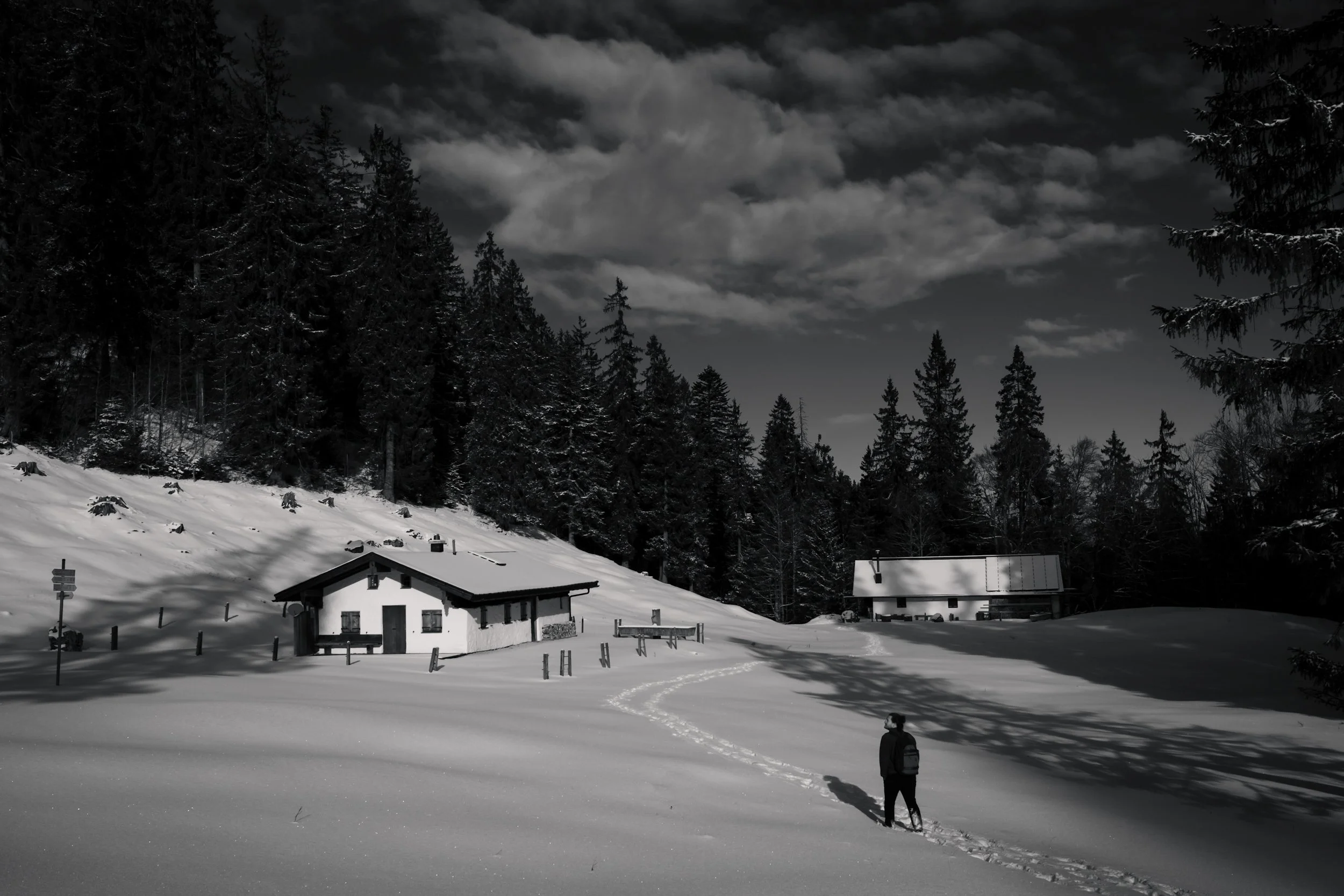
Therefore, I have chosen something different; a quieter way of being. A rhythm that matches the pace at which my thoughts actually settle: unhurried, unrushed, meant to be taken in like a long, deep breath instead of hyperventilating. Deleting my Instagram account created a quiet that has felt strangely spacious, almost like remembering a room I used to live in. However, the quiet isn’t pure relief. It exposes absences the platform used to pad over. Some connections fade. Recognition no longer arrives on demand. Inspiration doesn’t refresh itself. But none of this feels accidental. It feels like the cost of no longer outsourcing reassurance to a system designed to supply it endlessly and thinly. Without the constant noise, my attention feels intentional, my days less mindless.
Writing and sharing here is slower by design. Fewer people will see what I do, and for once, that feels like a gift. So you know where to find me. And if only a handful of friends wander in, that’s enough. If none do, that’s enough too.
This is a return. My return to the kind of presence that thrives in the absence of algorithmic performance.
Maybe that is my joy of missing out: discovering that what I step away from matters far less than what I step back into.
